Treatment · Trauma
Complex PTSD Treatment in Dallas, Texas
Quick Answer
Complex PTSD treatment helps adults heal from prolonged or repeated trauma that affects emotional regulation, self-image, and relationships. Care may include trauma-focused therapy, skills for managing overwhelming emotions, and structured support built around each person's history and needs.
When trauma happens again and again over time, it can shape how you see yourself, how you relate to others, and how safe you feel in your own body.
At Saltwood Mental Health, we provide personalized outpatient complex PTSD treatment in Dallas for adults ready to begin healing. In a private, evidence-based setting, we help clients build safety, regulate difficult emotions, and move toward a steadier sense of self.
In-person in Dallas · Adults · In-house medication management
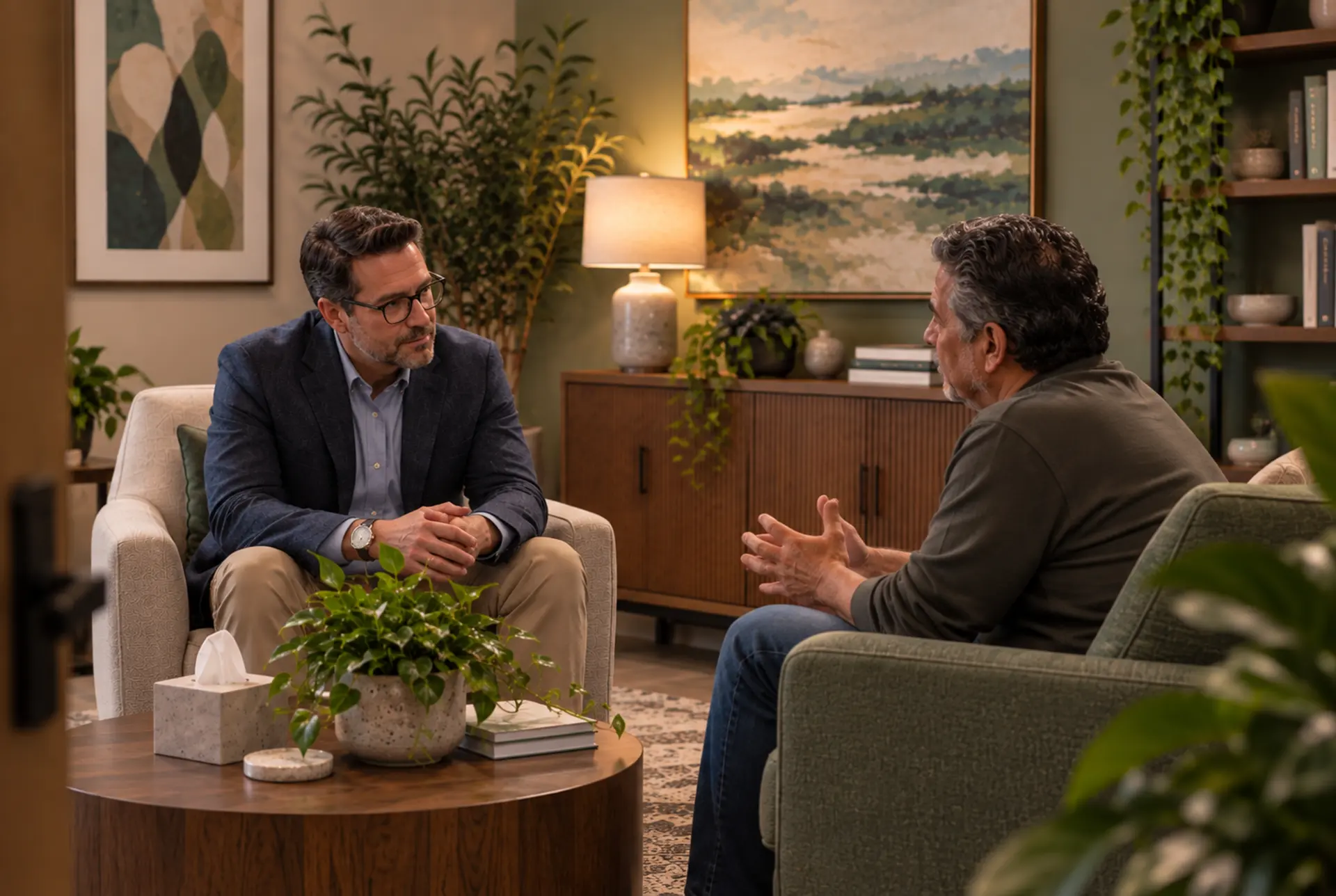 Complex PTSD Treatment · Dallas, TX
 Understanding Complex PTSD (C-PTSD)
Complex PTSD, sometimes called C-PTSD, develops after prolonged or repeated trauma rather than a single event. It often begins with experiences that were difficult to escape, such as childhood abuse or neglect, long-term emotional or physical abuse, or an unsafe relationship.
C-PTSD shares many symptoms with standard PTSD, including flashbacks, nightmares, and hypervigilance, but adds a deeper layer:
-
Trouble managing intense emotions
-
A negative self-image
-
Shame
-
Difficulty trusting others
These responses aren’t character flaws. They are the lasting effects of trauma, and they can be treated.
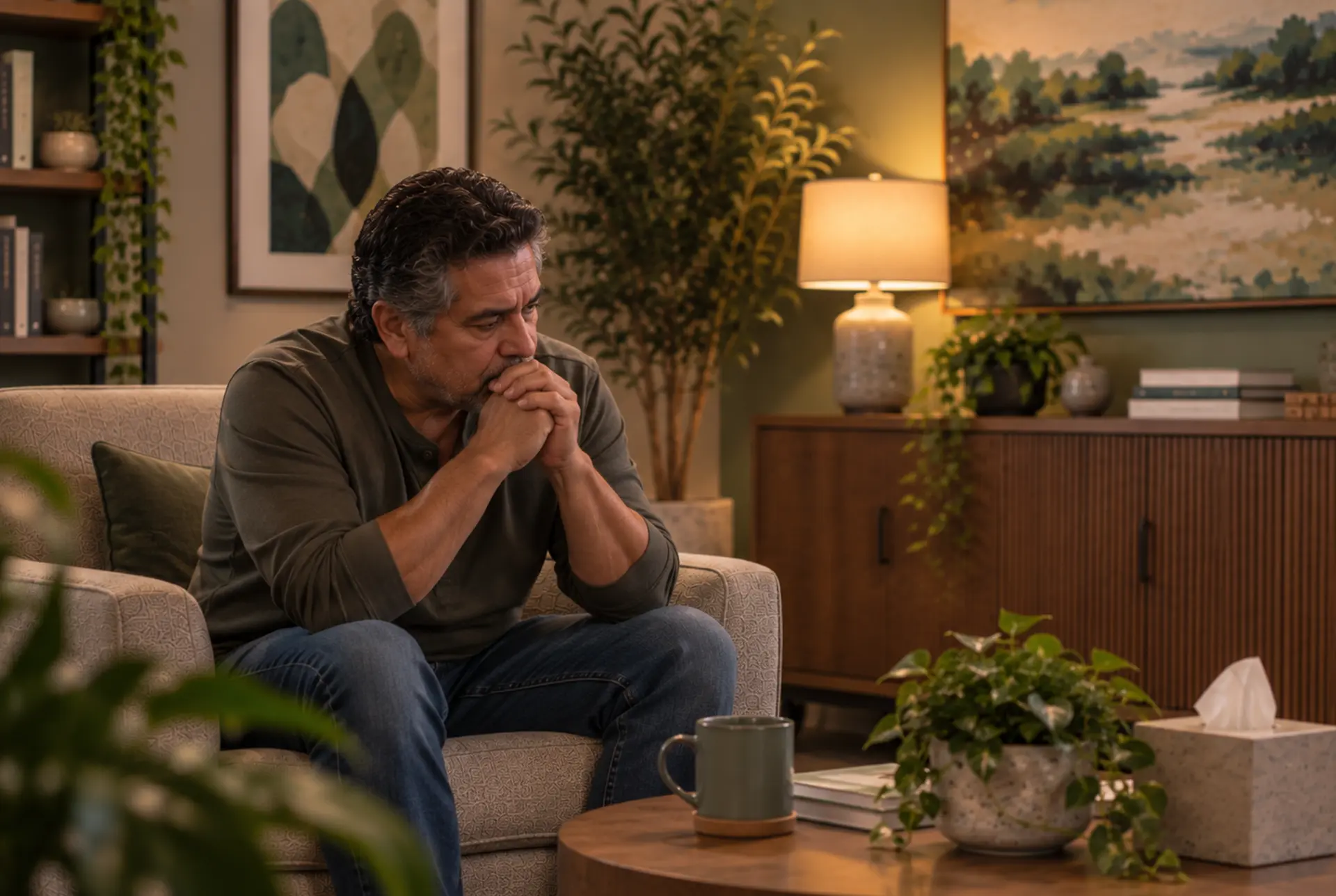
How Complex PTSD Differs From PTSD
Understanding the difference between PTSD and complex PTSD helps you find the right kind of trauma treatment.
Standard PTSD often follows a single traumatic event, such as an accident or assault, while complex PTSD develops from trauma that was repeated or continuous, often over months or years.
Because complex trauma frequently begins early in life or within close relationships, it tends to affect identity and connection more deeply.
In addition to the core symptoms of PTSD, adults with C-PTSD often experience:
-
Difficulty regulating emotions, with intense or rapidly shifting feelings
-
A persistent sense of shame, guilt, or worthlessness
-
A distorted or deeply negative self-image
-
Ongoing difficulty trusting others or feeling safe in relationships
-
Feeling disconnected, numb, or detached from yourself
-
Chronic feelings of emptiness or hopelessness
About Our C-PTSD Treatment in Dallas, TX
Our complex PTSD treatment in Dallas helps adults build safety first, then gradually process the experiences that shaped their symptoms.
Because complex trauma affects trust and emotional regulation, we move at a manageable pace and never rush the process. We begin by getting to know your history and goals, not just your symptoms.
Together, we build practical skills for managing overwhelming emotions, strengthen your sense of self, and address the relationship patterns trauma often leaves behind. Depending on your needs, treatment may include individual and group therapy, psychiatric support, and structured outpatient programming.
If flexibility matters, we also offer virtual mental health treatment for adults throughout Texas.

Co-Occurring Mental Health Conditions
Complex trauma rarely exists in isolation. Many adults with C-PTSD also experience depression, anxiety, substance use challenges, or difficulties that overlap with personality-related concerns.
Because treating only one part often overlooks the bigger picture, our clinicians take a comprehensive approach. Our team develops treatment plans that address the full range of factors contributing to your emotional well-being, so healing supports the whole person rather than a single symptom.

PHP & IOP for Complex Trauma Recovery
Saltwood offers structured outpatient programming that delivers meaningful support while you stay connected to work, family, and daily life. During your assessment, we'll recommend the level of care that fits your needs.
- Learn about PHP
Partial Hospitalization (PHP)
A higher level of outpatient care for adults who need more structure and clinical support throughout the week, without an overnight stay.
- Learn about IOP
Intensive Outpatient (IOP)
Structured therapy and clinical support with greater flexibility, ideal for adults balancing recovery with personal and professional responsibilities.
Who Can Benefit From Our Complex PTSD Treatment in Dallas?
Adults who feel shaped by long-term or repeated trauma, who struggle with overwhelming emotions, shame, or difficulty trusting others, may benefit from our C-PTSD therapy in Dallas, TX.
Care can help people whose symptoms affect relationships, work, self-worth, or their sense of safety.
Our care may also be a fit for adults who have tried therapy before but still feel stuck, and for professionals and executives who appear successful on the outside while quietly carrying the weight of early or ongoing trauma.

What to expect
Why Choose Saltwood Mental Health?
Healing from complex trauma requires an environment where you feel safe and supported from the first conversation. Trust takes time, and our approach honors that, combining evidence-based, trauma-informed care with a private setting that never feels like a hospital or institution.
You can expect:
-
Personalized, trauma-informed treatment plans based on the individual, not just the diagnosis
-
Experienced clinicians who understand how trauma affects the mind and body
-
Structured outpatient programs that fit your real life
-
A calm, discreet environment designed for comfort and safety
-
A pace that prioritizes safety, trust, and emotional stability
If continued support is beneficial after a higher level of care, our mental health aftercare program can help you maintain momentum and confidently transition back into everyday life
Coverage & Payment
We Accept Insurance
We accept insurance and can help you understand your coverage options. You can verify your insurance coverage before starting care, so there are no surprises.
- Aetna
- UMR
- HMC HealthWorks
- Cigna
- ComPsych
- BlueCross BlueShield
- Anthem
- GEHA
- Meritain Health
- Beacon Health Options
Begin Personalized Complex PTSD Treatment in Dallas Today
Complex trauma can convince you that you'll always feel this way, but healing is possible, even when the wounds run deep and go back years.
Whether your trauma began in childhood or unfolded over time, contact our team to find the level of care that's right for you.
Common Questions
FAQs About Complex Post-Traumatic Stress Disorder Treatment in Dallas, Texas
-
PTSD usually follows a single traumatic event, while complex PTSD develops from prolonged or repeated trauma, often beginning in childhood or within close relationships. Complex PTSD tends to affect emotional regulation, self-image, and relationships more deeply, in addition to the core symptoms of PTSD.
-
You may need treatment if long-term or repeated trauma continues to affect your emotions, relationships, self-worth, or sense of safety. Support can help if you feel stuck in patterns of shame, distrust, or emotional overwhelm that are difficult to manage on your own.
-
Yes. While complex trauma runs deep, it responds to care. Treatment focuses on building safety and stability first, then gradually processing traumatic experiences and strengthening emotional regulation, self-image, and relationships over time.
-
No, we move at a pace that feels manageable for you. Effective treatment for complex trauma often begins with building safety, trust, and coping skills before processing difficult memories, and we never push you to revisit anything before you feel ready.
-
Treatment looks different for everyone. Because complex trauma develops over time, healing often does too. During your initial assessment, we'll recommend a personalized treatment plan based on your history, symptoms, and goals.
-
Yes, treatment is private and confidential within the limits of applicable law. We understand that privacy matters, especially for professionals, executives, parents, and adults in high-responsibility roles.